Scar Management After Injury

 The scarring process is a normal reaction for the skin as it heals from an injury like a cut, burn, acne eruption or surgical wound.  However, some patients desire that their scar become less visible and plan on pursuing treatment options to reduce the appearance of their scar. To get some tips on how to minimize scarring contact Hand In Hand OT, occupational therapy near Carle Place. 

Home management of scars after injury can be successful when patient and caregiver knowledge is combined with appropriate care techniques.  Efficacy is likely only if the person performing the home management is committed to following a routine for at least several months, but it is best to plan on a year to see noticeable improvement in most cases.  Patients who are committed to this will spend time (10-15 minutes twice a day) caring for their scars, which can make more of an impact than patients who only apply scar products sporadically.

Home management of scars includes keeping the wound moist, selecting products based on your skin type, learning correct application technique, and avoiding products that may hinder improvement.

Selecting the correct wound care techniques after occupational therapy near Carle Place is extremely important for successful scar management at home.  For example, aggressive treatment of a fresh surgical wound can cause increased inflammation and lead to excessive drying and irritation of the skin, which can delay or interfere with healing.  Therefore, it is recommended that wounds in the early inflammatory stage should be left open or loosely covered, and that moist treatment with compresses is most appropriate.  This means that the injured person should wash their hands before touching their wound, but they can then adjust any dressings so they create a moist environment.  Do not remove sutures, staples, skin adhesive, or external fixation devices (if present) since they may be necessary for proper wound care and healing.  Applying moisturizer to the scar area is generally appropriate even in the inflammatory stage of wound healing; however, patients should avoid products containing alcohol or fragrance on new scars and wounds until they have healed completely.

As a scar matures, it becomes drier and starts to contract.  The key to successful home scar management is moistening the skin around a mature scar while avoiding direct moisture on the scar itself.  In order to do this, patients may need to apply moisturizer or other emollients (without fragrances) over the area of their scar, and then place a loose covering over the moisturizer to help lock in moisture.  Some people prefer using commercial cotton scar sheets or bandages that provide a breathable barrier to reduce itching and irritation.  This can be effective as long as patients avoid using products that contain fragrances since these may burn when placed on new scars.

Contact Us: Occupational Therapy Near Carle Place
If you are looking for scar management, reach out to Hand In Hand OT today!
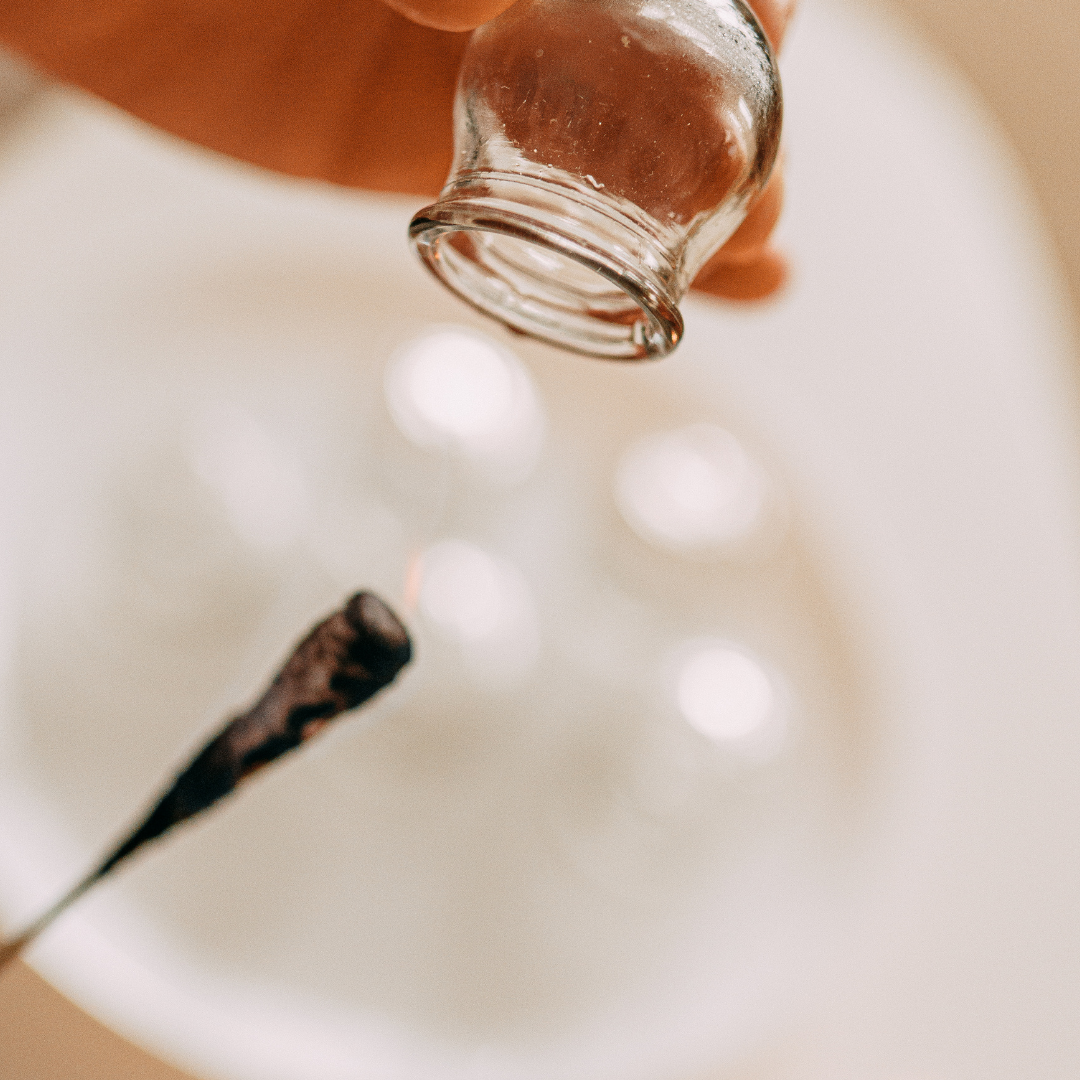
What Are The Benefits Of Cupping?

There are many different forms of therapy. Many of these therapies have been scientifically proven to help us, physically or mentally. Some practices have even been around for thousands of years and have stood against the test of time. At Hand in Hand, we offer occupational therapy near Westbury, and we offer many different services, including cupping therapy. Research shows that cupping therapy has a plethora of benefits which we will discover in this blog post. 

What is Cupping Therapy?

Cupping therapy is an ancient form of alternative medicine in which a therapist places cups on the skin that can be heated up to create suction. Records even show that this practice has been dated back to 1550 B.C. from Ancient Egypt and is also practiced in various other cultures around the world. 

What are the Benefits? 

You might be thinking, “what could having suction cups attached to my back possibly do for me?” The benefits might shock you. Cupping therapy has been scientifically proven to have benefits for many of those who choose to undergo treatment. 

Here are a few benefits to cupping therapy:

  • Promotes the skin’s blood flow for more vibrant skin

  • Increases pain thresholds 

  • Reduces inflammation throughout the body 

  • Release built-up muscle tension 

  • Boosts cellular immunity

Studies have shown that cupping therapy may even help remove toxins by stimulating the immune response, both locally and systemically. It does this by reducing uric acid in your body. Uric acid is a natural waste product that is a by-product of digesting certain foods, and too much of it can lead to high levels of acidity in the blood and urine. Doesn’t sound good, does it? If you need occupational therapy near Westbury, our team got you covered.

Contact us:

Our team of Therapists and medical professionals at Hand in Hand dedicate ourselves to helping you achieve a healthier lifestyle. The occupational therapy near Westbury that we offer is committed to providing you with all the information necessary to get you started. For more information, visit us at our webpage, and our team will set you up with a consultation today. 


Certified Hand Therapist near Westbury

What Is Hand Therapy?

A hand therapist is an occupational or physical therapist who treats people with problems affecting their hands or upper extremities. A hand therapist can help with before surgery, post-surgery, or non-surgical treatment. Some hand specialists may have a certification, which makes them Certified Hand Therapists. 

After graduating from an accredited program and passing a national exam, a therapist will gain a license to practice in their state. Some states require a license to practice, but that is not always the case. After graduating, a hand therapist must have no less than three years of experience and four thousand hours of hand therapy practice. Along with that, they must also pass a certification exam that gives them a five-year license.

Why Do You Need Hand Therapy? 

If you live an active lifestyle, your job is very physically demanding, or you sit at a desk all day hacking away at a keyboard, you may need a hand therapist in the future. Most people who work at an office at a desk all day will most likely experience the negative side effects of carpal tunnel syndrome. A job that requires you to constantly use your hands for carrying heavy objects will have the same effect on a person as well. Unfortunately, constant activity can lead to major injuries. Even if you don’t feel discomfort, but you live one of these lifestyles listed above, you may still have this problem. Get checked out today, just to be safe!  

What Injuries and Illnesses Does Hand Therapy Treat?

Certified Hand Therapist near Westbury can be extremely beneficial for a number of different conditions, here are just some of them: 

  • Carpal Tunnel Syndrome 

  • Cubital Tunnel Syndrome 

  • Ganglion Cyst 

  • Tennis Elbow 

  • Hand Pain 

  • Repetitive Motion Disorder 

  • Trigger Finger 

  • Golders Elbow 

  • De Quervains Tenosynovitis 

  • Dupuytren’s Contracture 

  • Sprains, Dislocation, and Fractures 

  • Burns and Wounds 

  • Amputations 

  • Fine Motor Skill Deficiencies 

  • Arthritis 

How Can Hand in Hand help? 

Here at Hand in Hand, Certified Hand Therapist near Westbury, we specialize in treating shoulders, elbows, wrists, and hands. The treatment sessions we provide are commonly one-on-one, to provide the most attention for our patients. We also offer pediatric care for younger patients, as well as patients with special abilities/needs. If you are looking for a good Certified Hand Therapist near Westbury, look no further. To book an appointment or to learn more, visit our website today!!


A hand fracture is commonly a break or crack in one or more of the bones of your hand. The fracture can be caused by a direct blow or fall. It is important to treat a fractured hand as soon as possible because the bones might not heal in proper alignment, which can affect your ability when doing everyday activities. In addition, early treatment can result in less pain and stiffness. At Hand In Hand Occupational Therapy, we offer personalized care for fractured hands. Our Certified Hand Therapist near Westbury will evaluate, diagnose, and treat your hand injury.

Symptoms of a Fractured Hand

It is important to see ourCertified Hand Therapist near Westbury for treatment when you think your hand may be fractured. You will know your hand is fractured if you are experiencing the following symptoms:

  • Severe pain 

  • Swelling

  • Tenderness

  • Bruising

  • Obvious deformity, such as a crooked finger

  • Stiffness or inability to move your fingers or thumb

  • Numbness

Risk Factors of a Fractured Hand

Almost anyone can injure their hand, resulting in a fracture. However, your risk of a fractured hand may be increased if you participate in sports like football, soccer, rugby, or hockey. In addition, Osteoporosis, a condition that weakens bones, may also increase your risk of a broken hand.

Fractured Hand Treatment

Our Long Island hand therapy will do a series of tests to test the severity of the fractured hand. Then, based on the severity, a treatment plan will be determined. One form of treatment can be immobilization. This consists of putting the hand in a cast or splint to restrict movement. Another treatment is medication. Medications like pain relievers can be prescribed to reduce pain and inflammation. Therapy can also be advised to strengthen and increase the range of motion of the hand. A final form of treatment may be surgery to implant pins, plates, rods, or screws, which will help hold your bones steady while they heal. 

Contact Our Office
Hand fractures should be taken care of as soon as they are recognized. If you are suffering from hand fracture symptoms, see our Certified Hand Therapist near Westbury. At Hand In Hand Occupational Therapy, we can help you get the treatment you need.

With that being said, injuries in the wrist are quite common. If you experience pain or have an injury in your wrist, visit a Certified Hand Therapist near Westbury. Our Hand In Hand Occupational Therapy team is skilled in helping patients recover and improve so they can maintain skilled needs for working and daily living.  


Common Wrist Injuries and Disorders 

  • Carpal Tunnel Syndrome is a condition that commonly leads to numbness, weakness, and tingling in hand. A pinched nerve in the wrist causes this. 

  • A ganglion cyst is a noncancerous lump or mass that is formed when fluid leaks from a joint. 

  • Gout is a form of arthritis that causes severe pain and tenderness from a buildup of uric acid in the joints. 

  • Fractures of the wrist are the technical term for a broken wrist in which one or more of the bones in the wrist are cracked or broken. It causes immediate pain, swelling, and tenderness. 

  • Osteoarthritis is a condition that causes pain and stiffness at the wrist crease and is the most common type of arthritis. It develops over time as the cartilage in the wrist naturally wears down. 

  • Sprains and strains are injuries to the ligaments, muscles, or tendons. A sprain often occurs when the ligaments that support are stretched and ultimately torn. This can happen when the wrist is bent or twisted. Strains are similar, except the muscles and tendons in the wrist are overstretched. 

  • Tendinitis is the inflammation of one or more tendons in the wrist. It usually is more prevalent in individuals with repetitive injury to a tendon or overuse of a tendon.

Who Is At Risk For Wrist Injuries? 

There are many different types of wrist injuries and many different ways these injuries can occur. One way your chances of injuring your risk is increased is by participating in sports. By playing certain sports, you are exerting repetitive stress on the wrists. You may also fall on your hands, causing a strain, sprain, or break. Another way of increasing your risk of injuring your wrists or developing disorders in the wrist is by making repetitive wrist motions in simple everyday activities and for example, playing video games, texting on the phone, or typing on a keyboard. Lastly, certain diseases can cause pain in the wrist, such as rheumatoid arthritis. Our occupational therapy near Westbury can provide you with treatment if you happen to get injured. 

How Can I Prevent Wrist Injuries?

Using wrist guards is one way you can prevent injuries while participating in sports or any psychical activity. They support the wrist and can be useful in preventing broken bones from falling during activities such as basketball, gymnastics, or skateboarding. At work, you can avoid injury by performing stretches and taking breaks when needed. If you spend hours on a computer typing, you might want to invest in an ergonomic keyboard and use proper typing techniques. You also want to be sure that you are taking care of your bone health and are keeping your bones strong. To do this, make sure that you are getting enough calcium and vitamin D. Lastly, visit our Certified Hand Therapist near Westbury.

Contact Us

If you have suffered a wrist injury, visit our Certified Hand Therapist near Westbury at Hand In Hand Occupational Therapy. We treat several different conditions, including wrist fractures, chronic and acute injuries, tendon and ligament injuries, tendonitis, and so much more. Schedule an appointment today to treat your pain!

Pediatric Occupational Therapy Long Island

A hand fracture is commonly a break or crack in one or more of the bones of your hand. The fracture can be caused by a direct blow or fall. It is important to treat a fractured hand as soon as possible because the bones might not heal in proper alignment, which can affect your ability when doing everyday activities. In addition, early treatment can result in less pain and stiffness. At Hand In Hand Occupational Therapy, we offer personalized care for fractured hands. Our pediatric occupational therapy Long Island will evaluate, diagnose, and treat your hand injury.

Symptoms of a Fractured Hand

It is important to see our pediatric occupational therapy Long Island for treatment when you think your hand may be fractured. You will know your hand is fractured if you are experiencing the following symptoms:

  • Severe pain 

  • Swelling

  • Tenderness

  • Bruising

  • Obvious deformity, such as a crooked finger

  • Stiffness or inability to move your fingers or thumb

  • Numbness

Risk Factors of a Fractured Hand

Almost anyone can injure their hand, resulting in a fracture. However, your risk of a fractured hand may be increased if you participate in sports like football, soccer, rugby, or hockey. In addition, Osteoporosis, a condition that weakens bones, may also increase your risk of a broken hand.

Fractured Hand Treatment

Our pediatric occupational therapy Long Island will do a series of tests to test the severity of the fractured hand. Then, based on the severity, a treatment plan will be determined. One form of treatment can be immobilization. This consists of putting the hand in a cast or splint to restrict movement. Another treatment is medication. Medications like pain relievers can be prescribed to reduce pain and inflammation. Therapy can also be advised to strengthen and increase the range of motion of the hand. A final form of treatment may be surgery to implant pins, plates, rods, or screws, which will help hold your bones steady while they heal. 

Contact Our Office
Hand fractures should be taken care of as soon as they are recognized. If you are suffering from hand fracture symptoms, see our pediatric occupational therapy Long Island. At Hand In Hand Occupational Therapy, we can help you get the treatment you need.

We use our hands and our wrists every day to accomplish almost all of our daily tasks. With that being said, injuries in the wrist are quite common. If you experience pain or have an injury in your wrist, visit an pediatric occupational therapy Long Island. Our Hand In Hand Occupational Therapy team is skilled in helping patients recover and improve so they can maintain skilled needs for working and daily living.  

Common Wrist Injuries and Disorders 

  • Carpal Tunnel Syndrome is a condition that commonly leads to numbness, weakness, and tingling in hand. A pinched nerve in the wrist causes this. 

  • A ganglion cyst is a noncancerous lump or mass that is formed when fluid leaks from a joint. 

  • Gout is a form of arthritis that causes severe pain and tenderness from a buildup of uric acid in the joints. 

  • Fractures of the wrist are the technical term for a broken wrist in which one or more of the bones in the wrist are cracked or broken. It causes immediate pain, swelling, and tenderness. 

  • Osteoarthritis is a condition that causes pain and stiffness at the wrist crease and is the most common type of arthritis. It develops over time as the cartilage in the wrist naturally wears down. 

  • Sprains and strains are injuries to the ligaments, muscles, or tendons. A sprain often occurs when the ligaments that support are stretched and ultimately torn. This can happen when the wrist is bent or twisted. Strains are similar, except the muscles and tendons in the wrist are overstretched. 

  • Tendinitis is the inflammation of one or more tendons in the wrist. It usually is more prevalent in individuals with repetitive injury to a tendon or overuse of a tendon.

Who Is At Risk For Wrist Injuries? 

There are many different types of wrist injuries and many different ways these injuries can occur. One way your chances of injuring your risk is increased is by participating in sports. By playing certain sports, you are exerting repetitive stress on the wrists. You may also fall on your hands, causing a strain, sprain, or break. Another way of increasing your risk of injuring your wrists or developing disorders in the wrist is by making repetitive wrist motions in simple everyday activities and for example, playing video games, texting on the phone, or typing on a keyboard. Lastly, certain diseases can cause pain in the wrist, such as rheumatoid arthritis. Our pediatric occupational therapy Long Island can provide you with treatment if you happen to get injured. 

How Can I Prevent Wrist Injuries?

Using wrist guards is one way you can prevent injuries while participating in sports or any psychical activity. They support the wrist and can be useful in preventing broken bones from falling during activities such as basketball, gymnastics, or skateboarding. At work, you can avoid injury by performing stretches and taking breaks when needed. If you spend hours on a computer typing, you might want to invest in an ergonomic keyboard and use proper typing techniques. You also want to be sure that you are taking care of your bone health and are keeping your bones strong. To do this, make sure that you are getting enough calcium and vitamin D. Lastly, visit our pediatric occupational therapy Long Island.

Contact Us

If you have suffered a wrist injury, visit our pediatric occupational therapy Long Island at Hand In Hand Occupational Therapy. We treat several different conditions, including wrist fractures, chronic and acute injuries, tendon and ligament injuries, tendonitis, and so much more. Schedule an appointment today to treat your pain!

What Is Nerve Compression Syndrome?

Nerves go from the brain and spinal cord, sending important messages throughout the body. If your nerves are compressed your body might send signals of pain. Do not ignore this warning sign as you might have nerve compression syndrome. Luckily, if this is the case, occupational therapy near Westbury can help manage the pain. 


What Is Nerve Compression Syndrome?

Nerve compression syndrome is when the nerve is squeezed or compacted, usually at one single location. Nerve compression syndrome is also known as nerve entrapment syndrome, compression neuropathy, entrapment neuropathy, or trapped nerve. There are also several different types of nerve compression syndrome. The most common type is carpal tunnel syndrome and cubital tunnel syndrome. This syndrome can be treated at occupational therapy near Westbury. 


Causes

Nerve compression syndrome is usually caused by repetitive injuries. This could be injuries that occur in the workplace from repetitive movements, such as typing on a keyboard or playing the piano. Also, accidents such as sprains, fractures, broken bones cause nerve compression syndrome. Lastly, the following medical conditions are some of the conditions that can trigger nerve compression syndrome:

  • Diabetes

  • Tumors or Cysts

  • Obesity

  • Pregnancy or Menopause

  • High Blood Pressure 

  • Autoimmune Diseases such as rheumatoid arthritis. 


Symptoms 

The symptoms are based on the type of nerve compression syndrome and where it is occurring. Symptoms are usually felt at the site of compression and in the surrounding areas. Below are some of the common symptoms:

  • Redness, swelling, and inflammation

  • Aches and pains

  • Tingling and numbness

  • Muscle weakness

  • Reduced flexibility

  • Difficulty with certain movements


Treatment 

For treatment, contact occupational therapy near Westbury. Treatment begins with simple lifestyle changes and noninvasive therapies. The goal is to treat the underlying condition that is causing the nerve compression syndrome. This will help to ease the symptoms. Aside from lifestyle changes such as changing job duties or losing weight, and noninvasive therapy, there are other forms of treatment. These other forms of treatment include medication, prosthetic devices, home remedies, and in severe cases, surgery. 


Contact Us

At Hand In Hand Occupational Therapy of Long Island, we can help determine the best healing technique depending on the severity and pain level of the injury. Our goal is to help you live pain-free. If you think you may have any form of nerve compression syndrome, schedule an appointment with us today!

What Does Kinesio Taping Help Treat?

While watching sports on the television, you may notice strips of colorful tape across the athlete’s back, shoulder, knee, or abs. This is called kinesiology tape. It is used to provide support, lessen pain, improve performance, and lessen pain. If you think this would be beneficial for you, get treatment from occupational therapy near Carle Place.   


What is Kinesiology Tape?

Kinesio tape is made up of a blend of cotton and nylon. It is supposed to mimic the elasticity of the skin so that you can maintain a full range of motion. This adhesive is water-resistant and strong enough to last on your hand for up to five days. Once the tape is applied to the body, it pulls back slightly to create a very small space between your skin and the tissues underneath it. 


What Is Kinesiology Tape Used For?

  • Treating Injuries: Occupational therapy near Carle Place uses it on people who have been injured and has proven that it is most effective when using it simultaneously with manual therapy. The tap alleviates pain and swelling. 

  • Supports Weak Zones: Kinesio tape adds extra support to muscles and joints that need it. For example, if you have conditions including patellofemoral stress syndrome or Achilles tendonitis, kinesiology taping will help. 

  • Re-educating Muscles: The tape can also retrain your muscles that have lost function or have gotten into unhealthy ways of working. For example, the tape can help fix poor posture in your head and neck. 

  • Enhancing Performance: Athletes may use the tape to help themselves achieve performance and protect themselves against injury while competing. 

  • Managing Scars: Kinesiology tape can improve the appearance of scars in the long run. However, you should never put this tape on an open wound, so consult with your doctor before taping a scar. 


Benefits of Kinesiology Taping 

Receiving kinesiology taping at occupational therapy near Carle Place has many benefits. One of them is that the tape changes the information that the sensory nervous system is sending about pain in your body. If you have pain in a certain area, an occupational therapist may use the tape to decompress the area. With this, the pain receptors send a new signal to the brain and the tension in the area causing pain will decrease. Another benefit is that it may improve the circulation of blood and fluids by creating extra subcutaneous space. This changes the pressure gradient in the area under the skin. 


Contact Us

At Hand In Hand Occupational Therapy of Long Island, our occupational therapists specialized in kinesiology taping and have performed regularly for our patients. If you are looking for treatment for your clinical condition, Kinesio taping may be the right choice for you. Contact our team to learn more about kinesiology taping.

What Does Cupping Treat?

Even though it has grown increasingly popular in recent years, cupping is an alternative medicine dating back to ancient times. This occupational therapy near Westbury can be used for several medical reasons. 


How it Works

When the cup is suctioned on the skin, it draws fluid into the targeted area. The force of the suction expands and forces open tiny blood vessels under the skin. Meanwhile, your body treats the area that has just been cupped like an injury and sends more blood to the site to start a natural healing process. You will be left with round bruise-like marks that usually fade in a week or two.


It takes training to perform Cupping therapy effectively and safely. Our office, which offers occupational therapy near Westbury, has been serving this therapy for years and has numerous trained professionals available. Some of these professionals include:


  • Physical therapists

  • Massage therapists

  • Medical doctors

  • Chiropractors


What it Treats

Cupping can be used as a means to seek relief from conditions that have caused pain or as a relaxation therapy similar to a massage. Occupational therapy near Westbury can help cure medical conditions such as:


  • Back pain, shoulder pain, knee pain, and neck pain

  • Arthritis

  • Breathing problems, such as asthma

  • High blood pressure

  • Headaches and migraines 


It is also possible for the professional performing the cupping therapy to ensure that the cups are applied to major acupressure points. As the effects of acupuncture with needles, this therapy could help treat digestive issues, musculoskeletal problems, and other issues that tend to be treated with acupressure.


Side Effects

There are not many glaring side effects of cupping. The most common side effects are feeling lightheaded or dizzy during the treatment. Some people with more sensitive skin may experience sweating or nausea during the treatment as well.


After the treatment, there is also a small risk of infection if the treated area is not adequately cared for and cleaned after. The bruised skin will be sensitive, so it’s essential to clean the area following the treatment.


Not much is known about why cupping is so effective in relieving pain, which is why it’s so important to talk to a healthcare professional before you get this treatment. If you do decide to get this procedure, occupational therapy near Westbury, Hand in Hand OT is a great place to go. You can learn more online at our website. 


Common Wrist Injuries

We use our hands and our wrists every day to accomplish almost all of our daily tasks. With that being said, injuries in the wrist are quite common. If you experience pain or have an injury in your wrist, visit an occupational therapy near Westbury. Our Hand In Hand Occupational Therapy team is skilled in helping patients recover and improve so they can maintain skilled needs for working and daily living.  


Common Wrist Injuries and Disorders 

  • Carpal Tunnel Syndrome is a condition that commonly leads to numbness, weakness, and tingling in hand. A pinched nerve in the wrist causes this. 

  • A ganglion cyst is a noncancerous lump or mass that is formed when fluid leaks from a joint. 

  • Gout is a form of arthritis that causes severe pain and tenderness from a buildup of uric acid in the joints. 

  • Fractures of the wrist are the technical term for a broken wrist in which one or more of the bones in the wrist are cracked or broken. It causes immediate pain, swelling, and tenderness. 

  • Osteoarthritis is a condition that causes pain and stiffness at the wrist crease and is the most common type of arthritis. It develops over time as the cartilage in the wrist naturally wears down. 

  • Sprains and strains are injuries to the ligaments, muscles, or tendons. A sprain often occurs when the ligaments that support are stretched and ultimately torn. This can happen when the wrist is bent or twisted. Strains are similar, except the muscles and tendons in the wrist are overstretched. 

  • Tendinitis is the inflammation of one or more tendons in the wrist. It usually is more prevalent in individuals with repetitive injury to a tendon or overuse of a tendon.


Who Is At Risk For Wrist Injuries? 

There are many different types of wrist injuries and many different ways these injuries can occur. One way your chances of injuring your risk is increased is by participating in sports. By playing certain sports, you are exerting repetitive stress on the wrists. You may also fall on your hands, causing a strain, sprain, or break. Another way of increasing your risk of injuring your wrists or developing disorders in the wrist is by making repetitive wrist motions in simple everyday activities and for example, playing video games, texting on the phone, or typing on a keyboard. Lastly, certain diseases can cause pain in the wrist, such as rheumatoid arthritis. Our occupational therapy near Westbury can provide you with treatment if you happen to get injured. 


How Can I Prevent Wrist Injuries?

Using wrist guards is one way you can prevent injuries while participating in sports or any psychical activity. They support the wrist and can be useful in preventing broken bones from falling during activities such as basketball, gymnastics, or skateboarding. At work, you can avoid injury by performing stretches and taking breaks when needed. If you spend hours on a computer typing, you might want to invest in an ergonomic keyboard and use proper typing techniques. You also want to be sure that you are taking care of your bone health and are keeping your bones strong. To do this, make sure that you are getting enough calcium and vitamin D. Lastly, visit our occupational therapy near Westbury.


Contact Us

If you have suffered a wrist injury, visit our occupational therapy near Westbury at Hand In Hand Occupational Therapy. We treat several different conditions, including wrist fractures, chronic and acute injuries, tendon and ligament injuries, tendonitis, and so much more. Schedule an appointment today to treat your pain!


Can Sleeping On My Side Cause Shoulder Pain?

Sleeping on your side can cause many issues in the shoulder. Hand In Hand OT can help find the best treatment plan for your shoulder complications.Sleeping on your side can keep your head in an uncomfortable position for hours at a time, causing neck pain when you awaken. It also pushes the upper arm bone away from the body, decreasing circulation to that area which may cause it to go numb. Finally, if one of your shoulders is higher than the other (usually because of a tight pectoral muscle) sleeping on that side can cause shoulder pain.

Sleeping on your back, with a standard pillow between your knees, often helps alleviate the pains associated with sleeping on your side. However, if you are still experiencing shoulder issues after trying this it may be beneficial to see a shoulder pain doctor. While many everyday activities may cause shoulder pain, a stiff neck caused by poor posture can also lead to shoulder pain. If you have been experiencing a stiff neck and a lack of mobility it may be time for a visit with your shoulder pain doctor to see if there is anything that can be done about this discomfort.

Risks: 

In some cases sleeping on your side can cause more damage than it resolves. Sleeping on your side can prevent a full night's rest if you are waking up frequently because of pain. This, in turn, may lead to feelings of irritability during the day and affect the quality of one's work performance. Many people who do not sleep well at night tend to feel tired and run-down throughout the day, which may cause the individual to feel as if they are unable to complete their daily activities.

Remedies:

If you continue to sleep on your side and experience soreness, it may be beneficial to consider purchasing a body pillow. A body pillow can help keep your back straight while you sleep, which will often alleviate shoulder pain. The pillow can then be tucked between your legs to keep them separated, reducing pressure on your upper thighs. This alleviates the stress placed on the lower back and gives you a full night's rest as it can be difficult to sleep properly when you are not resting comfortably.

If you do still experience shoulder pain after trying to alleviate this discomfort by sleeping differently or using a body pillow, it may be beneficial to consult with a shoulder pain doctor. One side sleeping may cause serious damage to the muscles that support your shoulder depending on how much you do it and if your shoulders are at different levels. It could also be a sign of a more serious condition, such as arthritis or bursitis. 

This condition causes pain to patients that affects patient’s bodies everyday of their life. We can help create a treatment plan that is specialized just for you. Call Hand and Hand OT today to get started!

What Does Shoulder Bursitis Feel Like?

Shoulder Bursitis is a condition where the bursa, a fluid-filled sac located between the shoulder and the acromion (the top of your scapula), becomes inflamed. Here at Hand In Hand OT, shoulder pain doctor Garden City, we often see this condition. 

The pain is most commonly felt on the front of the shoulder and may also radiate down to the upper arm. Sometimes there may not be any noticeable signs or symptoms at all.

Some other symptoms of shoulder bursitis are :

- Numbness and/or tingling of the fingers or hands, especially in the ring and pinky fingers.

- A sharp pain when applying pressure to the point where bursitis is located.

How does shoulder bursitis feel? Since every person's experience with shoulder bursitis is different, it is hard to answer this question fully. However, some people complain of severe pain and discomfort, making it difficult to carry groceries or do the dishes.

There are some other possible signs and symptoms which indicate you might have shoulder bursitis:

- Pain on the top of the shoulders.

- A painful ache when you reach your arm above the head.

- A constant pain when lying down on the affected side at night.

- Weakness and loss of motion in the affected shoulder, especially when trying to raise the arm, make a fist, or comb hair with that hand.

- You feel like someone punched you in the chest or back.

- A lump on the top of the shoulder.

   Although the specific causes of this condition are unknown, it is thought to be brought on by excess pressure or impact on the shoulder joint, which can cause micro-tears in the bursa.

Shoulder Bursitis is diagnosed by a shoulder pain doctor Garden City when inflammation of the bursa has been shown through diagnostic imaging techniques such as an X-ray, Ultrasound, or MRI.

For the majority of sufferers, rest and painkillers are usually enough to ease the condition. In cases where there is no improvement, a steroid injection may be carried out, which can help to reduce the inflammation. Surgery may need to be considered if your bursitis is caused by another problem such as a shoulder impingement which is causing the inflammation. 

Contact Us: Shoulder Pain Doctor Garden City

If you or a loved one are suffering from the pain and discomfort of shoulder bursitis, check out a shoulder pain doctor Garden City. Hand In Hand OT has a team of individuals that can help you on your road to recovery.

Long Island Hand Therapy

A hand fracture is commonly a break or crack in one or more of the bones of your hand. The fracture can be caused by a direct blow or fall. It is important to treat a fractured hand as soon as possible because the bones might not heal in proper alignment, which can affect your ability when doing everyday activities. In addition, early treatment can result in less pain and stiffness. At Hand In Hand Occupational Therapy, we offer personalized care for fractured hands. Our Long Island hand therapy will evaluate, diagnose, and treat your hand injury.

Symptoms of a Fractured Hand

It is important to see our Long Island hand therapy for treatment when you think your hand may be fractured. You will know your hand is fractured if you are experiencing the following symptoms:

  • Severe pain 

  • Swelling

  • Tenderness

  • Bruising

  • Obvious deformity, such as a crooked finger

  • Stiffness or inability to move your fingers or thumb

  • Numbness

Risk Factors of a Fractured Hand

Almost anyone can injure their hand, resulting in a fracture. However, your risk of a fractured hand may be increased if you participate in sports like football, soccer, rugby, or hockey. In addition, Osteoporosis, a condition that weakens bones, may also increase your risk of a broken hand.

Fractured Hand Treatment

Our Long Island hand therapy will do a series of tests to test the severity of the fractured hand. Then, based on the severity, a treatment plan will be determined. One form of treatment can be immobilization. This consists of putting the hand in a cast or splint to restrict movement. Another treatment is medication. Medications like pain relievers can be prescribed to reduce pain and inflammation. Therapy can also be advised to strengthen and increase the range of motion of the hand. A final form of treatment may be surgery to implant pins, plates, rods, or screws, which will help hold your bones steady while they heal. 

Contact Our Office
Hand fractures should be taken care of as soon as they are recognized. If you are suffering from hand fracture symptoms, see our Long Island hand therapy. At Hand In Hand Occupational Therapy, we can help you get the treatment you need.

What Is Hand Therapy?

A hand therapist is an occupational or physical therapist who treats people with problems affecting their hands or upper extremities. A hand therapist can help with before surgery, post-surgery, or non-surgical treatment. Some hand specialists may have a certification, which makes them Certified Hand Therapists. 

After graduating from an accredited program and passing a national exam, a therapist will gain a license to practice in their state. Some states require a license to practice, but that is not always the case. After graduating, a hand therapist must have no less than three years of experience and four thousand hours of hand therapy practice. Along with that, they must also pass a certification exam that gives them a five-year license.

Why Do You Need Hand Therapy? 

If you live an active lifestyle, your job is very physically demanding, or you sit at a desk all day hacking away at a keyboard, you may need a hand therapist in the future. Most people who work at an office at a desk all day will most likely experience the negative side effects of carpal tunnel syndrome. A job that requires you to constantly use your hands for carrying heavy objects will have the same effect on a person as well. Unfortunately, constant activity can lead to major injuries. Even if you don’t feel discomfort, but you live one of these lifestyles listed above, you may still have this problem. Get checked out today, just to be safe!  

What Injuries and Illnesses Does Hand Therapy Treat?

Long Island hand therapy can be extremely beneficial for a number of different conditions, here are just some of them: 

  • Carpal Tunnel Syndrome 

  • Cubital Tunnel Syndrome 

  • Ganglion Cyst 

  • Tennis Elbow 

  • Hand Pain 

  • Repetitive Motion Disorder 

  • Trigger Finger 

  • Golders Elbow 

  • De Quervains Tenosynovitis 

  • Dupuytren’s Contracture 

  • Sprains, Dislocation, and Fractures 

  • Burns and Wounds 

  • Amputations 

  • Fine Motor Skill Deficiencies 

  • Arthritis 

How Can Hand in Hand help? 

Here at Hand in Hand, a Long Island hand therapy, we specialize in treating shoulders, elbows, wrists, and hands. The treatment sessions we provide are commonly one-on-one, to provide the most attention for our patients. We also offer pediatric care for younger patients, as well as patients with special abilities/needs. If you are looking for a good Long Island hand therapy doctor, look no further. To book an appointment or to learn more, visit our website today!!

Occupational Therapy For Children Long Island

Shoulder pain is common amongst many children and adults. The leading cause of shoulder pain is just the traditional wear and tear of the shoulder, meaning that you have put a lot of stress on the shoulder throughout your activities. At Hand in Hand Occupational Therapy of LI, our mission is to provide the best quality occupational therapy services on Long Island. Our occupational therapy for children Long Island develops personalized care for adults and children. Since shoulder pain is extremely common, you must know why it’s necessary to visit a shoulder doctor when experiencing consistent pain.

Developing and Curing Shoulder Pain

A shoulder consists of several joints that combine into one with muscles and tendons to allow for a wide range of motion with your arm. It is also made up of 3 different bones: the collarbone (clavicle), upper arm bone (humerus), and the shoulder blade (scapula). With all these joints and bones coming together, a majority of shoulder problems end up in these different categories:

  • Inflammation of a tendon (tendinitis or bursitis)

  • Tendon tear

  • Fracture 

  • Instability

  • Arthritis

As previously stated, the most common cause of shoulder pain is a result of the constant activity of the shoulder. Since everybody uses their shoulders so much throughout each day, it's crucial to get this type of shoulder pain looked at. Leaving shoulder pain untouched can cause permanent damage to the body and limit your ability to do the activities you do regularly. Do not wait until it’s too late. 

How Occupational Therapists Treat Shoulder Pain

Our occupational therapy for children Long Island at Hand in Hand Occupational Therapy of LI works on and around the shoulder joints to help reduce the inflammation present, which will keep the joint flexible and running smoothly. This is a process that is done over time, and it will eventually allow the patient getting treatment to slowly begin to build up their strength as the joint is naturally healing. It’s also vital to ice the shoulder to reduce swelling and pain. The innovative therapy that we provide always leaves our patients happy. 

Contact Us

We recommend that you schedule an appointment with our occupational therapy for children Long Island at Hand in Hand Occupation Therapy of LI so you can get all of the necessary care that you need. Check out our website, or you can call us at (516) 522-0269 to book an appointment.

What Is Hand Therapy?

A hand therapist is an occupational or physical therapist who treats people with problems affecting their hands or upper extremities. A hand therapist can help with before surgery, post-surgery, or non-surgical treatment. Some hand specialists may have a certification, which makes them Certified Hand Therapists. 

After graduating from an accredited program and passing a national exam, a therapist will gain a license to practice in their state. Some states require a license to practice, but that is not always the case. After graduating, a hand therapist must have no less than three years of experience and four thousand hours of hand therapy practice. Along with that, they must also pass a certification exam that gives them a five-year license.

Why Do You Need Hand Therapy? 

If you live an active lifestyle, your job is very physically demanding, or you sit at a desk all day hacking away at a keyboard, you may need a hand therapist in the future. Most people who work at an office at a desk all day will most likely experience the negative side effects of carpal tunnel syndrome. A job that requires you to constantly use your hands for carrying heavy objects will have the same effect on a person as well. Unfortunately, constant activity can lead to major injuries. Even if you don’t feel discomfort, but you live one of these lifestyles listed above, you may still have this problem. Get checked out today, just to be safe!  

What Injuries and Illnesses Does Hand Therapy Treat?

Occupational therapy for children Long Island can be extremely beneficial for a number of different conditions, here are just some of them: 

  • Carpal Tunnel Syndrome 

  • Cubital Tunnel Syndrome 

  • Ganglion Cyst 

  • Tennis Elbow 

  • Hand Pain 

  • Repetitive Motion Disorder 

  • Trigger Finger 

  • Golders Elbow 

  • De Quervains Tenosynovitis 

  • Dupuytren’s Contracture 

  • Sprains, Dislocation, and Fractures 

  • Burns and Wounds 

  • Amputations 

  • Fine Motor Skill Deficiencies 

  • Arthritis 

How Can Hand in Hand help? 

Here at Hand in Hand, occupational therapy for children Long Island, we specialize in treating shoulders, elbows, wrists, and hands. The treatment sessions we provide are commonly one-on-one, to provide the most attention for our patients. We also offer pediatric care for younger patients, as well as patients with special abilities/needs. If you are looking for a good Long Island hand therapy doctor, look no further. To book an appointment or to learn more, visit our website today!!

What Are Common Elbow Injuries?

Elbow injuries are extremely common amongst physically active people. One of the most common elbow injuries someone can get is tendinitis. Tendonitis is so common amongst physically active people because it results from the overuse of the elbow. At Hand In Hand Occupational Therapy of LI, we provide pediatric treatment sessions to address the needs of our patients. We offer some of the best elbow doctor Garden City that you can find in the area. Do not wait until it's too late. Leaving elbow injuries untreated can have life-lasting effects on your arm. It’s very important to visit an elbow doctor as soon as possible.

Common Types of Elbow Injuries

As previously stated, the most common type of elbow injury that a physically active person can get is tendonitis because it results from the consistent use of the elbow. Other common sports injuries include:

  • Tennis Elbow

  • Ulnar Collateral Ligament (UCL) injury

  • Valgus Extension Overload (VEO)

  • Olecranon Stress Fracture

  • Ulnar Neuritis

Tennis elbow and tendonitis are very similar in that they both result from the overuse of the elbow joint. Tennis elbow is a type of tendonitis that affects the tendons and muscles that control forearm use as well as the extension of fingers and wrists. Symptoms of tennis elbow include weaker grip and soreness/burning located at the outside of the elbow. You do not need to be playing tennis to develop tennis elbow. The other injuries that are listed above are not as common as tennis elbow and tendonitis, but they have the potential to do tons of more damage to the elbow. It’s important to get your elbow injuries evaluated as soon as possible so you can start the proper treatment right away.

How to Treat Common Elbow Injuries

At Hand In Hand Occupational Therapy of LI, our trained elbow doctor Garden City can easily evaluate which elbow injury you are dealing with and how to treat it. We use different types of traditional therapy approaches as well as innovative, current treatments to provide the highest possible quality of care. A great way to treat an elbow injury by yourself is to use the RICE method. RICE stands for Rest, Ice, Compression, Elevate. Make sure to elevate your elbow above your heart to limit swelling and pain.
Contact Us

Here at Hand In Hand Occupational Therapy of LI, we offer the best elbow doctor Garden City that you can find. To schedule an appointment, visit our website or call us at (516) 522-0269.

How Do I Know If My Hand Is Fractured

A hand fracture is commonly a break or crack in one or more of the bones of your hand. The fracture can be caused by a direct blow or fall. It is important to treat a fractured hand as soon as possible because the bones might not heal in proper alignment, which can affect your ability when doing everyday activities. In addition, early treatment can result in less pain and stiffness. At Hand In Hand Occupational Therapy, we offer personalized care for fractured hands. Our wrist doctor Garden City will evaluate, diagnose, and treat your hand injury.

Symptoms of a Fractured Hand

It is important to see our wrist doctor Garden City for treatment when you think your hand may be fractured. You will know your hand is fractured if you are experiencing the following symptoms:

  • Severe pain 

  • Swelling

  • Tenderness

  • Bruising

  • Obvious deformity, such as a crooked finger

  • Stiffness or inability to move your fingers or thumb

  • Numbness

Risk Factors of a Fractured Hand

Almost anyone can injure their hand, resulting in a fracture. However, your risk of a fractured hand may be increased if you participate in sports like football, soccer, rugby, or hockey. In addition, Osteoporosis, a condition that weakens bones, may also increase your risk of a broken hand.

Fractured Hand Treatment

Our wrist doctor Garden City will do a series of tests to test the severity of the fractured hand. Then, based on the severity, a treatment plan will be determined. One form of treatment can be immobilization. This consists of putting the hand in a cast or splint to restrict movement. Another treatment is medication. Medications like pain relievers can be prescribed to reduce pain and inflammation. Therapy can also be advised to strengthen and increase the range of motion of the hand. A final form of treatment may be surgery to implant pins, plates, rods, or screws, which will help hold your bones steady while they heal. 

Contact Our Office
Hand fractures should be taken care of as soon as they are recognized. If you are suffering from hand fracture symptoms, see our wrist doctor Garden City. At Hand In Hand Occupational Therapy, we can help you get the treatment you need.

Why Am I Experiencing Shoulder Pain?

Shoulder pain is common amongst many children and adults. The leading cause of shoulder pain is just the traditional wear and tear of the shoulder, meaning that you have put a lot of stress on the shoulder throughout your activities. At Hand in Hand Occupational Therapy of LI, our mission is to provide the best quality occupational therapy services on Long Island. Our shoulder pain doctor Garden City develops personalized care for adults and children. Since shoulder pain is extremely common, you must know why it’s necessary to visit a shoulder doctor when experiencing consistent pain.

Developing and Curing Shoulder Pain

A shoulder consists of several joints that combine into one with muscles and tendons to allow for a wide range of motion with your arm. It is also made up of 3 different bones: the collarbone (clavicle), upper arm bone (humerus), and the shoulder blade (scapula). With all these joints and bones coming together, a majority of shoulder problems end up in these different categories:

  • Inflammation of a tendon (tendinitis or bursitis)

  • Tendon tear

  • Fracture 

  • Instability

  • Arthritis

As previously stated, the most common cause of shoulder pain is a result of the constant activity of the shoulder. Since everybody uses their shoulders so much throughout each day, it's crucial to get this type of shoulder pain looked at. Leaving shoulder pain untouched can cause permanent damage to the body and limit your ability to do the activities you do regularly. Do not wait until it’s too late. 

How Occupational Therapists Treat Shoulder Pain

Our shoulder pain doctor Garden City at Hand in Hand Occupational Therapy of LI works on and around the shoulder joints to help reduce the inflammation present, which will keep the joint flexible and running smoothly. This is a process that is done over time, and it will eventually allow the patient getting treatment to slowly begin to build up their strength as the joint is naturally healing. It’s also vital to ice the shoulder to reduce swelling and pain. The innovative therapy that we provide always leaves our patients happy. 

Contact Us

We recommend that you schedule an appointment with our shoulder pain doctor Garden City at Hand in Hand Occupation Therapy of LI so you can get all of the necessary care that you need. Check out our website, or you can call us at (516) 522-0269 to book an appointment.

What Does A Hand Therapist Do?

What Is Hand Therapy?

A hand therapist is an occupational or physical therapist who treats people with problems affecting their hands or upper extremities. A hand therapist can help with before surgery, post-surgery, or non-surgical treatment. Some hand specialists may have a certification, which makes them Certified Hand Therapists. 

After graduating from an accredited program and passing a national exam, a therapist will gain a license to practice in their state. Some states require a license to practice, but that is not always the case. After graduating, a hand therapist must have no less than three years of experience and four thousand hours of hand therapy practice. Along with that, they must also pass a certification exam that gives them a five-year license.

Why Do You Need Hand Therapy? 

If you live an active lifestyle, your job is very physically demanding, or you sit at a desk all day hacking away at a keyboard, you may need a hand therapist in the future. Most people who work at an office at a desk all day will most likely experience the negative side effects of carpal tunnel syndrome. A job that requires you to constantly use your hands for carrying heavy objects will have the same effect on a person as well. Unfortunately, constant activity can lead to major injuries. Even if you don’t feel discomfort, but you live one of these lifestyles listed above, you may still have this problem. Get checked out today, just to be safe!  

What Injuries and Illnesses Does Hand Therapy Treat?

Long Island hand therapy can be extremely beneficial for a number of different conditions, here are just some of them: 

  • Carpal Tunnel Syndrome 

  • Cubital Tunnel Syndrome 

  • Ganglion Cyst 

  • Tennis Elbow 

  • Hand Pain 

  • Repetitive Motion Disorder 

  • Trigger Finger 

  • Golders Elbow 

  • De Quervains Tenosynovitis 

  • Dupuytren’s Contracture 

  • Sprains, Dislocation, and Fractures 

  • Burns and Wounds 

  • Amputations 

  • Fine Motor Skill Deficiencies 

  • Arthritis 

How Can Hand in Hand help? 

Here at Hand in Hand, a Long Island hand therapy, we specialize in treating shoulders, elbows, wrists, and hands. The treatment sessions we provide are commonly one-on-one, to provide the most attention for our patients. We also offer pediatric care for younger patients, as well as patients with special abilities/needs. If you are looking for a good Long Island hand therapy doctor, look no further. To book an appointment or to learn more, visit our website today!!